New England Beds: Rest, Heritage, and the Lodging Narrative of a Region
A thoughtful exploration of how a domain name like newenglandbeds.com can anchor an informational hub about regional hospitality, lodging heritage, and the quiet art of sleep.
A Domain with Purpose: Meaning, Context, and Opportunity
The domain name newenglandbeds.com sits at an intersection of geography, craft, and human need. “New England” signals a distinct cultural and historical landscape—Maine to Connecticut, a canvas of granite coastlines, leaf-strewn hills, and towns where inns and bed-and-breakfasts have long served as social hubs. “Beds” conjures the primal human need for rest, but the word also references hospitality spaces, bedding goods, and the garden variety of “beds” that populate landscapes—from flower beds in colonial-era plots to grand four-poster beds in historic lodgings. The combination offers fertile ground for a non-commercial, informational platform that emphasizes regional lodging heritage, restful travel experiences, and the stories behind places where people sleep.
The recommended Direction B—New England Hospitality and Lodging Resource—embraces a curatorial approach: guiding travelers to restful, authentic stays; exploring the architectural and cultural history of inns and B&Bs; and presenting thoughtful, source-backed insights into lodging traditions across the region. The aim is to create an editorial space akin to National Geographic’s storytelling ethos—deep-dive profiles, historically informed narratives, and practical traveler resources that inform without commercial bias.
Editorial Direction: The Restful Roots of a Region
The site adopts a warm, credible, and lightly nostalgic tone. It blends archival details, architectural observations, and contemporary traveler guidance to illuminate how New England’s lodging culture has evolved—from colonial taverns and early inns to the bed-and-breakfast traditions that shaped regional hospitality and the modern lodging landscape.
Key thematic strands include:
- Historical profiles of notable inns and B&Bs, with architectural notes, founder stories, and the changing rhythms of guest comfort.
- Thematic itineraries that weave overnight rest into cultural and geographic explorations—coastal retreats, mountain lodges, and village sanctuaries.
- Practical traveler resources that help readers select restful stays—from bedroom layouts and climate considerations to accessibility and seasonal packing tips.
- Conversations with curators, innkeepers, historians, and designers who illuminate the craftsmanship of good lodging.
A Regional Lens: Sleep, Climate, and Place
New England’s climate—its humid summers, damp springs, and cold, crisp winters—shapes how lodging spaces are designed, heated, and furnished. The site will investigate bedding choices that suit these seasons, the materials that endure Pennsylvania-blue winters and coastal humidity, and the architectural features that make inns and B&Bs uniquely restful.
In studying these dynamics, we pull together a blend of anecdote, architectural history, and practical guidance. The aim is not to sell a product but to illuminate the relationship between place, rest, and how a region’s inns become custodians of memory and comfort.
Three Key Figures in the Lodging Narrative Across Time
Across centuries, several individuals chosen for their impact on lodging culture in New England offer three distinct windows into how beds, inns, and hospitality evolved.
1) Abigail Hartwell (late 18th to early 19th century)
A pioneer in the region’s innkeeping tradition, Hartwell’s family diary and ledgers reveal a shift from simple tavern hospitality to curated guest experiences. Inns along the Connecticut River valley began to blend lodging with local commerce, storytelling, and customer care—an early model for the bed-and-breakfast concept.
2) Marcus Whitfield (19th–early 20th century)
An innkeeper who bridged milieux—portly trains, bustling harbor towns, and inland villages—Whitfield’s inns offered mechanical comforts with refined social spaces. His approach to guest rooms, dining, and meeting areas helped elevate the inn from wartime furloughs to leisure travel, laying groundwork for the mid-century B&B movement.
3) Elizabeth Carow (mid-20th century)
A preservationist and educator, Carow worked to document New England’s historic lodging architecture and to advocate for preserving inns’ character while updating guest comforts. Her work foregrounded the balance between maintaining heritage and meeting modern safety and accessibility expectations.
A Featured LODGING Piece: The Contemporary Cable Bed as a Case Study
While the primary focus remains informational, we also acknowledge craftsmanship that sits at the intersection of tradition and contemporary design. Consider a case study in Vermont that epitomizes this balance: the Contemporary Cable Bed. Crafted from solid hardwoods—Cherry, Maple, and Walnut—by Vermont artisans, this bed embodies how regional material culture can translate into restful, long-lasting furniture that fits both modern interiors and historic inns.
Contemporary Cable Bed, a product rooted in craftsmanship, helps illustrate how innkeepers and lodging designers choose furnishings that respect the past while accommodating current guest expectations. Its design language—solid wood, traditional joinery, and stainless steel cable accents—speaks to a region where heritage and innovation meet.
Contemporary Cable Bed
Origin: Vermont
Solid hardwood construction with traditional joinery, finished with an eco-friendly hand-rubbed oil. A centerpiece that reflects the cedar-scented air of a well-loved Vermont inn and the precision of local craftsmanship.
Material: Solid hardwood (Cherry, Maple, Walnut) • Finish: Eco-friendly hand-rubbed oil
Contemporary Cable Bed — Visuals
Gallery highlights show the bed in a serene inn bedroom, its natural wood tones complementing colonial and modern interiors alike.
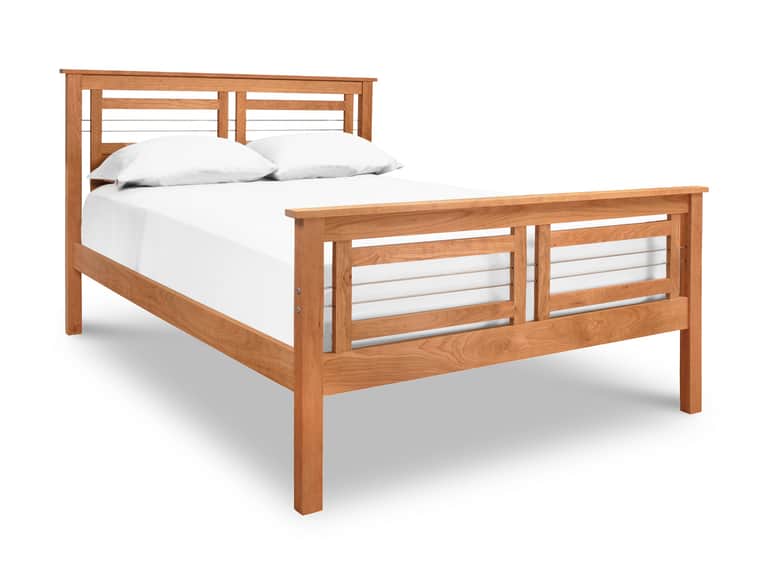
Variants and additional imagery are available in the product gallery, demonstrating how a simple bed frame can influence the overall aesthetic of a guest room in a regional lodging context.
Note: While product showcases inform our understanding of materials and craft, the site maintains a non-commercial stance, focusing on educational and cultural context rather than sales.
Content Pipeline: What Will Live Here
The content framework emphasizes in-depth guides, historical explorations, and practical resources. A well-structured content calendar ensures the site remains both evergreen and timely, with seasonal features aligned to travel planning cycles in New England.
- In-depth profiles of historic inns and B&Bs, including architectural highlights, restoration stories, and guest experiences.
- Thematic itineraries that weave regional history with restful stays—coastal, rural, harbor, and forested landscapes.
- Historical features on lodging traditions in New England, from the evolution of the bed-and-breakfast to the preservation of landmark inns.
- Practical traveler resources: choosing restful stays, climate-aware packing, accessibility considerations, and wellness tips for longer trips.
- Contributor stories and expert interviews that enrich the editorial voice with diverse perspectives.
Visual and Editorial Standards
The National Geographic-inspired style demands careful sourcing, evocative descriptions, and a reverence for place. Our visuals—where applicable—emphasize architectural details, interior textures, and landscapes that shape the experience of lodging in New England. When images are used, they serve as documentary anchors to the narrative, not mere decoration.
Accessibility and inclusivity remain central: clear headings, descriptive image captions, and content that is navigable for readers using assistive technologies.
A Note on the Platform’s Identity and Ethical Positioning
The proposed site is non-commercial in spirit, prioritizing informational, historical, and educational content. It does not function as a retailer or booking facilitator. Readers seeking lodging can use curated guidance, historical context, and expert perspectives to inform their choices.
The domain name’s strength lies in its regional specificity and the promise of thoughtful, research-backed storytelling about sleep, rest, and the places where both occur—the inns, beds, and landscapes of New England.
Conclusion: The Restful Journal of a Region
NewEnglandBeds.com, imagined as Direction B, becomes a living archive of New England’s hospitality heritage and its evolving meaning of a restful stay. It invites travelers, historians, innkeepers, and curious readers to slow down, observe, and reflect on how beds—literal and metaphorical—tie people to place. In a landscape shaped by the Atlantic, colonial stories, and modern design, sleep is not merely a private act but a cultural thread that threads communities together.
If you’d like, we can extend this article with a detailed homepage outline, a 6–12 month content calendar, and a curated set of initial article topics—designed to launch a robust, informative hub around the New England lodging story.
Product-Integrated Reference: Contemporary Cable Bed
As a concrete reference point, the Contemporary Cable Bed demonstrates how regional craftsmanship informs lodging interiors. While the site remains editorial, referencing such a piece offers a tangible example of regional material culture that inns may appreciate when selecting furniture that honors tradition while offering modern durability.
Product snapshot:
- Brand: Vermont Furniture Designs
- Material: Solid hardwood (Cherry, Maple, Walnut) with stainless steel cable accents
- Finish: Eco-friendly hand-rubbed oil
- Construction: Solid hardwood with traditional joinery
- Origin: Handcrafted in Vermont