A Practical Guide to Bed-Breathable Coverings for New England Homes
In the dim quiet of a New England bedroom, the rhythm of daily life is tempered by climate—humid summers, damp springs, and dry, heated winters. The way we sleep is inseparable from the environment that surrounds us. This guide compiles field-tested, climate-aware choices for coverings that breathe with the seasons, balancing comfort, health, and longevity. It draws on established brands and materials that perform well across the notorious humidity and temperature shifts of the region, offering practical insights for homeowners who seek restful nights without sacrificing ecological responsibility or regional sensibilities.
Why breathable coverings matter in New England
The New England climate—often marked by humid summers, chilly nights, and fluctuating seasonal humidity—puts a premium on sleep surfaces that manage moisture without trapping heat. Breathable coverings help regulate microclimates within the bed, supporting airflow, reducing night sweats, and curbing the proliferation of allergens that thrive in damp environments. Breathability is not merely a comfort feature; it is a health consideration, influencing humidity control, mildew risk, and skin comfort for sensitive sleepers.
Beyond personal comfort, the choice of coverings interacts with the broader bedding system: the core mattress, toppers, sheets, and pillow protections all contribute to a cohesive sleep environment. In New England, where seasonal shifts can be abrupt, a thoughtful layering strategy—combining breathable fabrics with careful moisture management—helps create a stable, restorative sanctuary in the home.
Material deep dive: what makes a covering breathable
Breathability hinges on both fiber choice and fabric construction. Natural fibers like organic cotton, linen, and wool blends possess inherent moisture-wicking capabilities and air permeability that synthetic fabrics often struggle to match. The weave and weight of the fabric—percale, Sateen, jersey, and knit—also affect airflow and heat dissipation. For bed coverings meant to endure New England’s varied climate, the ideal option balances moisture management with durability, hypoallergenic properties, and care practicality.
- Organic cotton sheets often offer excellent softness with a breathable profile. Look for GOTS certification or similar organic standards that ensure non-toxic processing and ecological integrity.
- Wool blends and natural latex toppers can contribute breathable insulation, helping to maintain a stable microclimate across seasons. Wool, in particular, has natural moisture-wicking properties and temperature regulation that can be advantageous in damp springs and humid summers.
- Mattress encasements and toppers made from organic or natural fibers with breathable linings help block allergens while preserving airflow. Look for encasements with a permeable barrier to moisture that remains quiet and unobtrusive.
- Long-wearing fabrics matter as much as initial breathability. Durable weaves resist pilling and shrinkage, maintaining consistent airflow and surface comfort over time.
Brand-focused guidance: Sleep and Beyond, Naturepedic, and Savvy Rest
The regional sleep conversation benefits from durable, consumer-trusted brands that emphasize healthy sleep environments and transparency in materials. In the New England context, Sleep and Beyond, Naturepedic, and Savvy Rest often surface as reliable references for breathable, organic, and responsibly sourced bedding components. Each brand brings a slightly different emphasis:
- Sleep and Beyond frequently offers organic cotton encasements and toppers with a focus on hypoallergenic properties and ecological materials. Their designs aim to balance protection with breathability, including layers that resist moisture without sacrificing air flow.
- Naturepedic is recognized forcertified organic construction and materials that avoid toxic additives. For encasements and pillows, this brand emphasizes a clean, breathable sleep surface with robust protection against dust mites and moisture ingress.
- Savvy Rest provides a fiber-agnostic approach that includes natural latex and other breathable core materials. Their emphasis on customization and organic options makes them a practical reference for readers seeking a tailored sleep environment.
Practical recommendations for New England households
The following guidance is designed to be actionable for homeowners. It reflects a balance between comfort, health, and practicality, with attention to climate realities and regional accessibility to products.
- Assess your climate profile: In summers with higher humidity, prioritize sheet fabrics with strong moisture wicking and low moisture retention. In dry winters, consider slightly warmer coverings that still allow airflow to prevent overheating during seasonal transitions.
- Match encasements to your mattress: For those with allergies or dust-mite sensitivities, choose breathable mattress encasements that offer a barrier to irritants while sustaining airflow. Confirm fit depth options compatible with your mattress height.
- Layer thoughtfully: Use breathable sheets as the base, then add a topper or a light wool pad if you desire extra insulation. In high-humidity periods, a lighter top layer can prevent heat buildup while still guarding sleep surfaces.
- Care with climate in mind: Wash cycles and drying methods should preserve fiber integrity. Opt for cooler washes for natural fibers and line-drying where possible to reduce wear and keep fabrics breathable longer.
A note on product options available within this site
The bed covering ecosystem thrives on accessible, regionally appropriate options. Within this site, curated products include bedding components that align with the breathable, organic, and durable ideals described above. For readers exploring a concrete example of how these principles find their way into actual offerings, consider the following representative product that embodies regional craftsmanship and thoughtful materials:
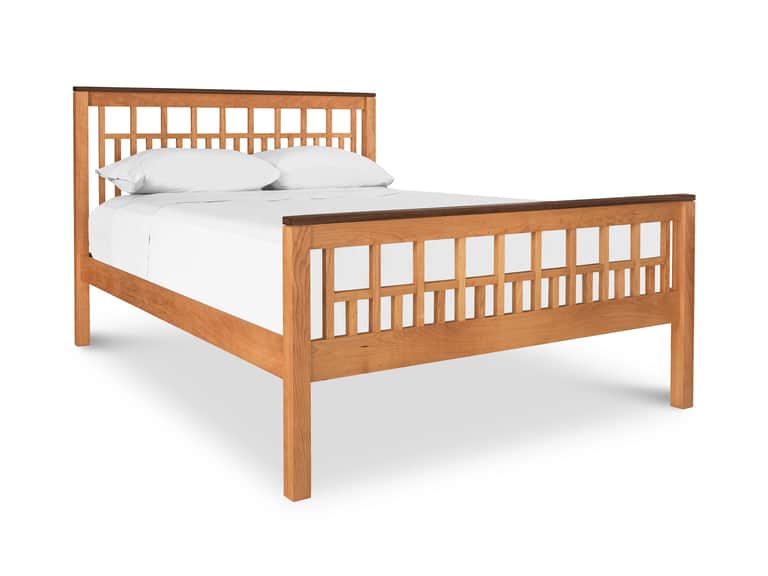
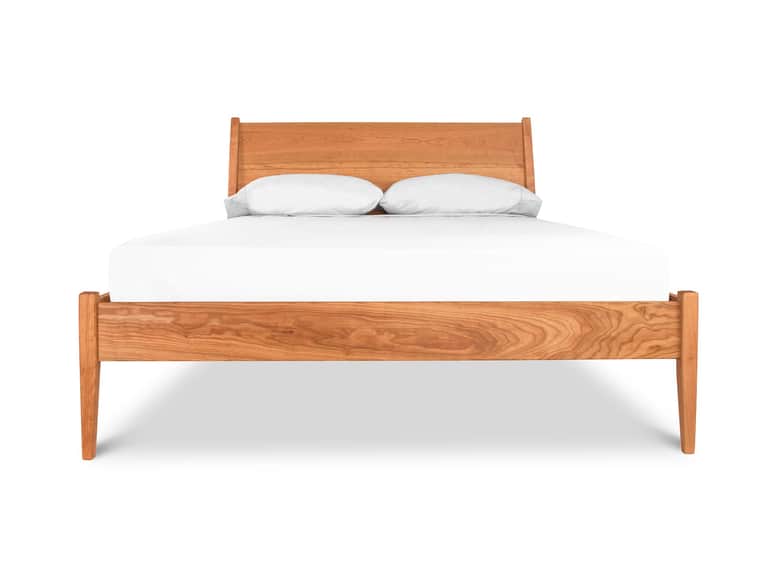
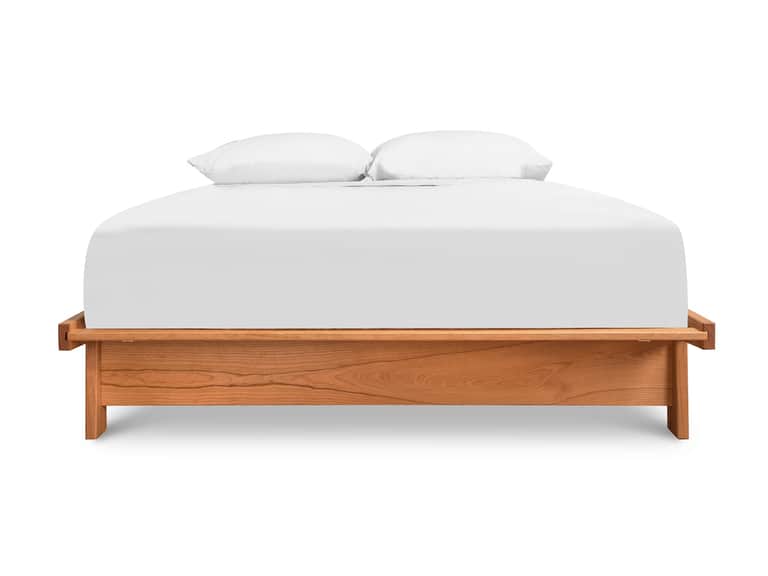
Cherry Moon Dovetail Platform Bed — Vermont-made, sustainable woods with an eco-friendly oil finish. This bed represents the region’s emphasis on American-made craftsmanship and a robust, natural foundation for an restful sleep space.
Made to order in Vermont by Vermont Furniture Designs. Price: 2016.00
For coverings and textiles, complement the bed with organic cotton sheets or breathable encasements from trusted brands that emphasize non-toxic materials and durable construction. The combination of a solid platform bed with breathable coverings completes a sleep environment well-suited to New England’s climate and cultural appreciation for durable, local craftsmanship.
Maintaining a breathable sleep system through the seasons
Seasonal adjustment is a practical habit for maintaining sleep quality. In summer, prioritize lighter, highly breathable fabrics and consider natural fiber toppers that enable airflow. In shoulder seasons, layering with thinner blankets can help manage temperature without creating moisture traps. Winter may benefit from modestly warmer blankets or duvets that still rely on breathable fabrics to avoid overheating at night.
The overarching principle is to build a sleep environment that breathes with the body and the surrounding air. When coverings and textiles maintain a steady microclimate, sleepers wake less frequently and experience more restorative sleep.
Conclusion: A regionally mindful approach to bed coverings
New England’s climate invites a careful, climate-conscious approach to bedding. By prioritizing breathable materials, reliable certifications, and a coherent layering strategy, homeowners can craft sleep environments that stand the test of seasonal shifts. This practical guide aims to empower readers to select coverings that not only feel comfortable but also support health and durable performance, all while honoring the region’s tradition of thoughtful craftsmanship.
References and further reading
For additional context on breathable bedding materials and regional considerations, readers may consult reputable sources on organic textiles, mattress encasements, and sleep health research. When evaluating products, look for certifications such as GOTS, GREENGUARD Gold, and other recognized standards that attest to non-toxic materials and indoor air quality considerations.