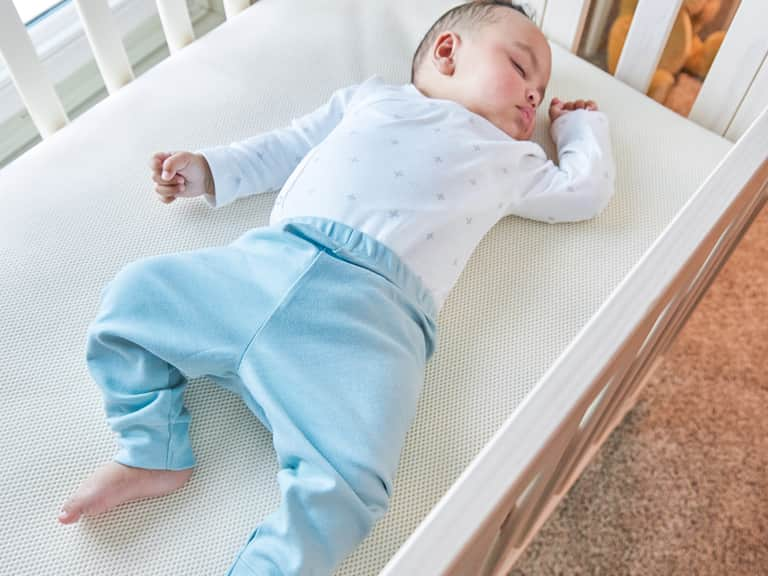
Crib mattresses are designed to provide a safe and supportive sleeping surface for infants, emphasizing firmness, cleanliness, and appropriate size. Key features to consider include proper thickness, non-toxic materials, and a breathable design that helps regulate baby temperature. Understanding these aspects supports healthy development and reduces common sleep risks associated with early infancy.
In the realm of organic and non-toxic options, organic crib mattresses prioritize materials free from harmful chemicals and flame retardants. Look for certifications and quilting versus core materials, as well as a removable, washable cover. These elements contribute to a hygienic sleep environment while aligning with broader parenting goals around safety and sustainability.
Specific products such as the Naturepedic Organic Mini Crib Mattress exemplify compact, well-constructed choices for smaller cribs without compromising essential features. This type of mattress typically combines a firm, supportive core with an easy-to-clean surface, supporting spinal alignment and overall infant comfort during the earliest months.
Environmental considerations play a role in crib mattress selection, with emphasis on low VOCs, certified organic components, and durable construction. A well-made crib mattress can reduce allergen exposure and promote longevity, making it a practical long-term bedding solution for infant sleep environments that also respects ecological impact.
For parents and caregivers, understanding the relationship between crib mattress design and safe sleep practices is essential. Factors such as appropriate firmness, moisture-wicking surfaces, and durability contribute to consistent sleep routines while supporting bedding safety, including compatibility with sheets, bedding sets, and related infant sleep textiles.
 Nursery